
Understanding Window Styles: Casement vs. Double-Hung vs. Awning
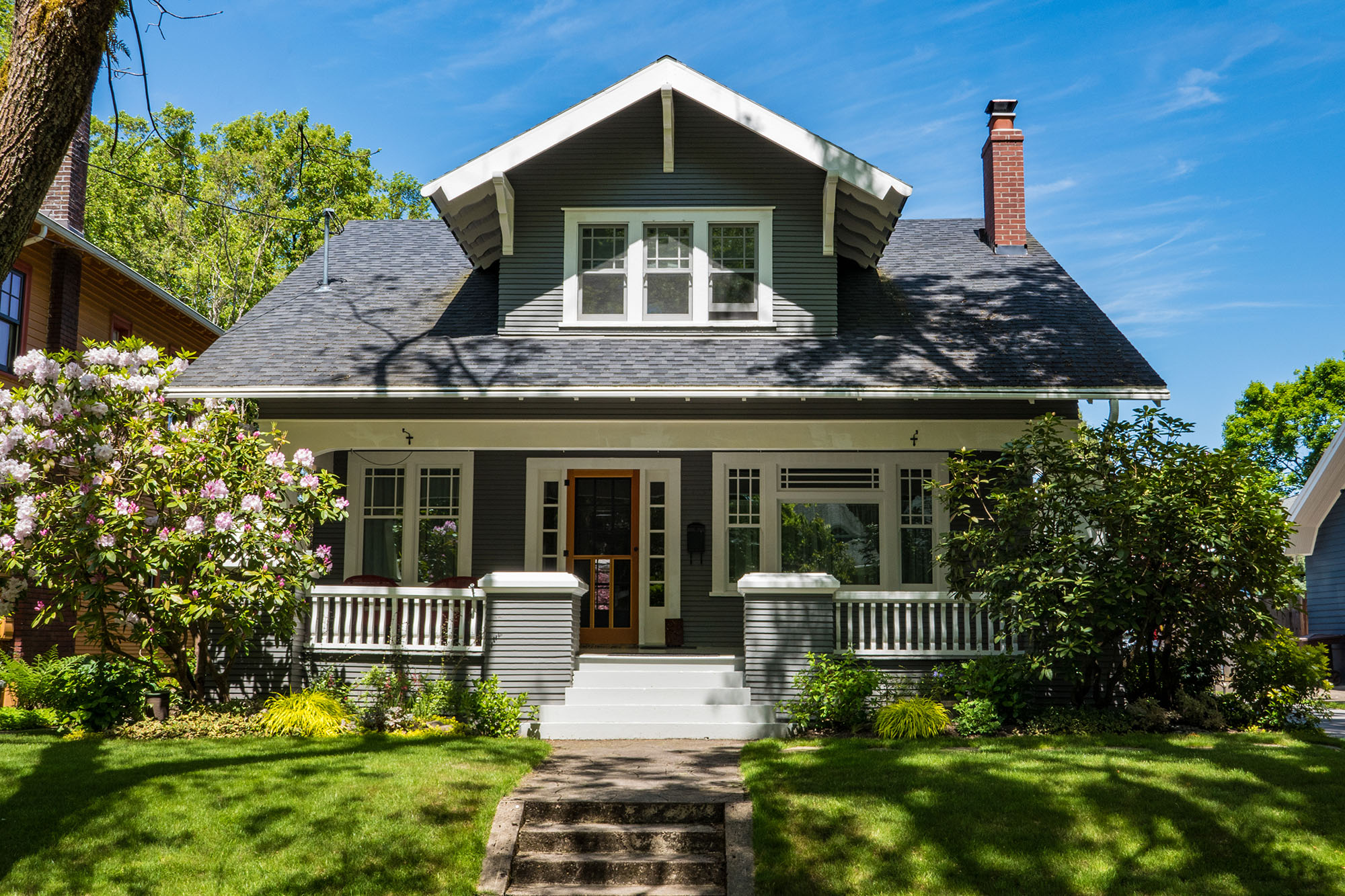
When replacing windows, homeowners often focus on materials, glass, and energy efficiency. But window style matters too. How a window opens affects ventilation, views, everyday use, and how well it complements your home’s architecture. For Portland homeowners—especially those with older or architecturally distinctive houses—choosing the right style can make a noticeable difference. Three common options are casement, double hung, and awning windows. Here’s how they compare.
Casement Windows: Ventilation and Clean Sightlines
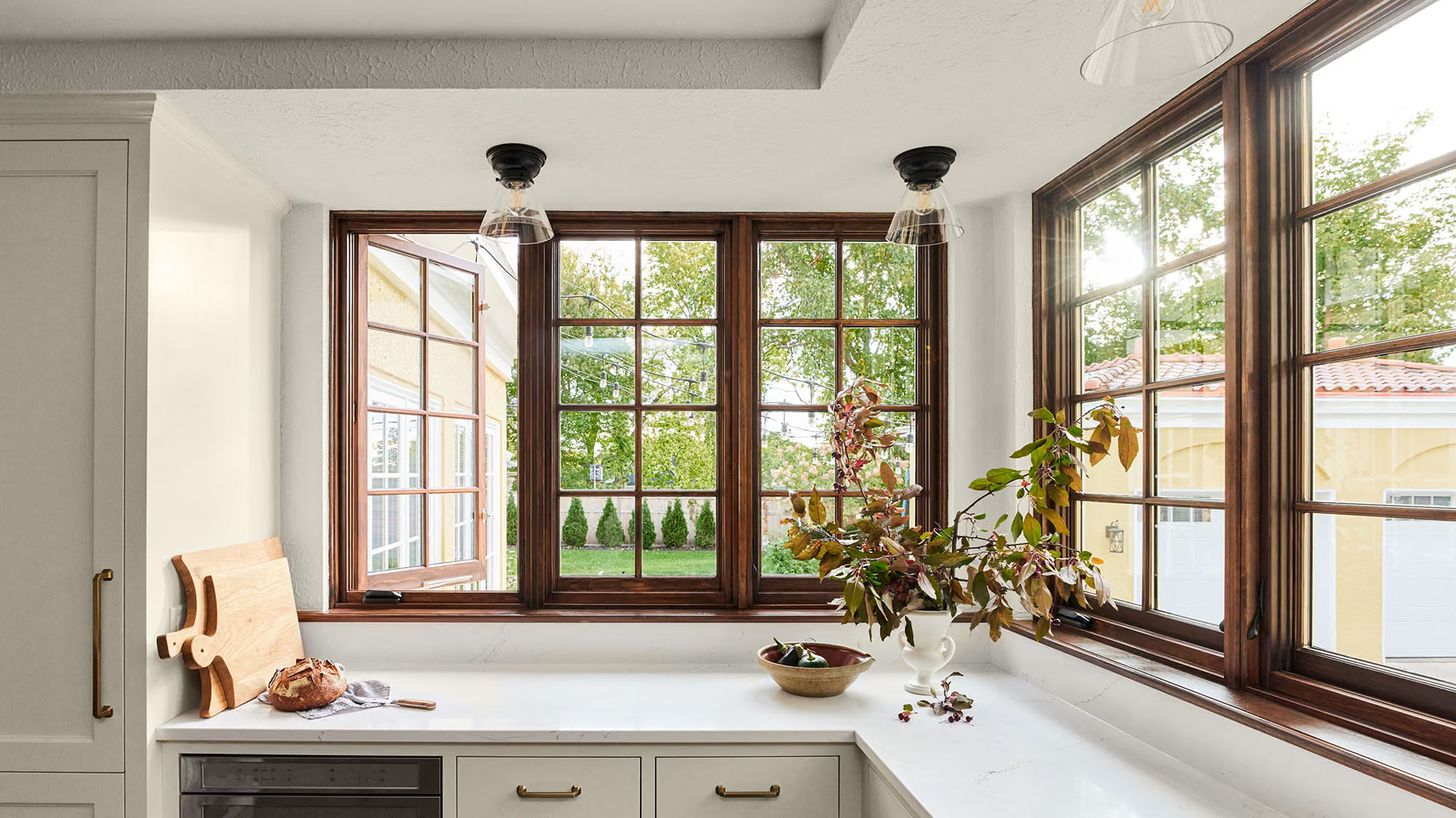
Casement windows are hinged on one side and open outward, typically using a crank or similar operating mechanism. Because the entire sash opens, casements can provide generous ventilation. Their relatively uninterrupted glass area also makes them appealing when preserving a view is important.
Casement windows are worth considering if you want:
- Generous ventilation
- Clean sightlines
- An expansive view
- A streamlined appearance
One consideration is exterior clearance. Because the sash swings outward, casements may not be ideal next to certain walkways, patios, or landscaping.
Double-Hung Windows: A Traditional Choice
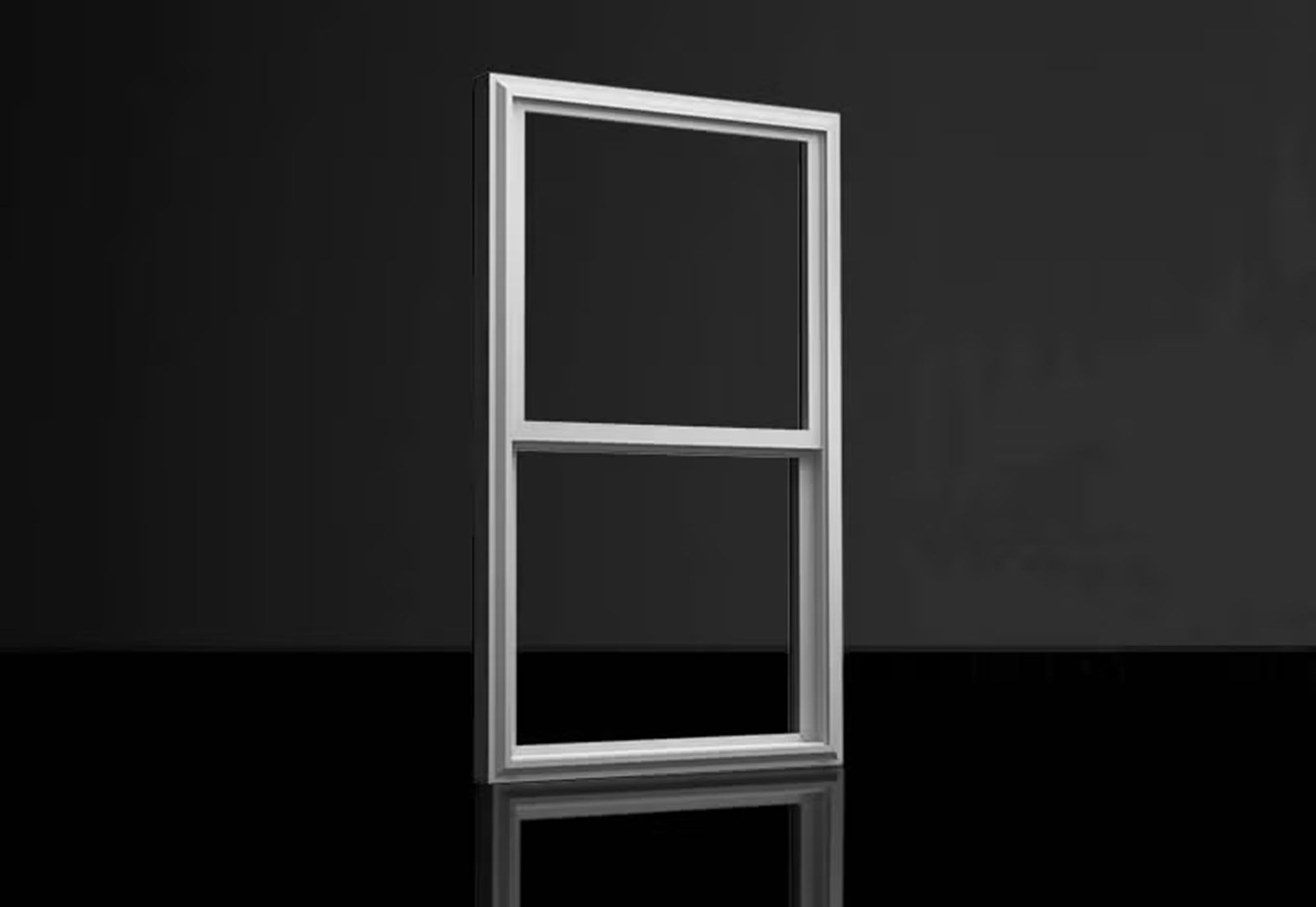
Double-hung windows have two vertically arranged sashes designed to move up and down. Their traditional proportions make them particularly relevant for Portland’s older housing stock. When architectural character is important, double hung windows can complement many classic home styles.
Double-hung windows may be a good choice if you value:
- Traditional appearance
- Familiar operation
- Compatibility with older architecture
- Classic vertical proportions
For character-rich homes, details such as sash proportions, grille patterns, trim, and sightlines should also be considered. The goal isn’t simply to replace the old window—it is to choose a new window that feels appropriate for the house.
Awning Windows: Flexible for Smaller Openings
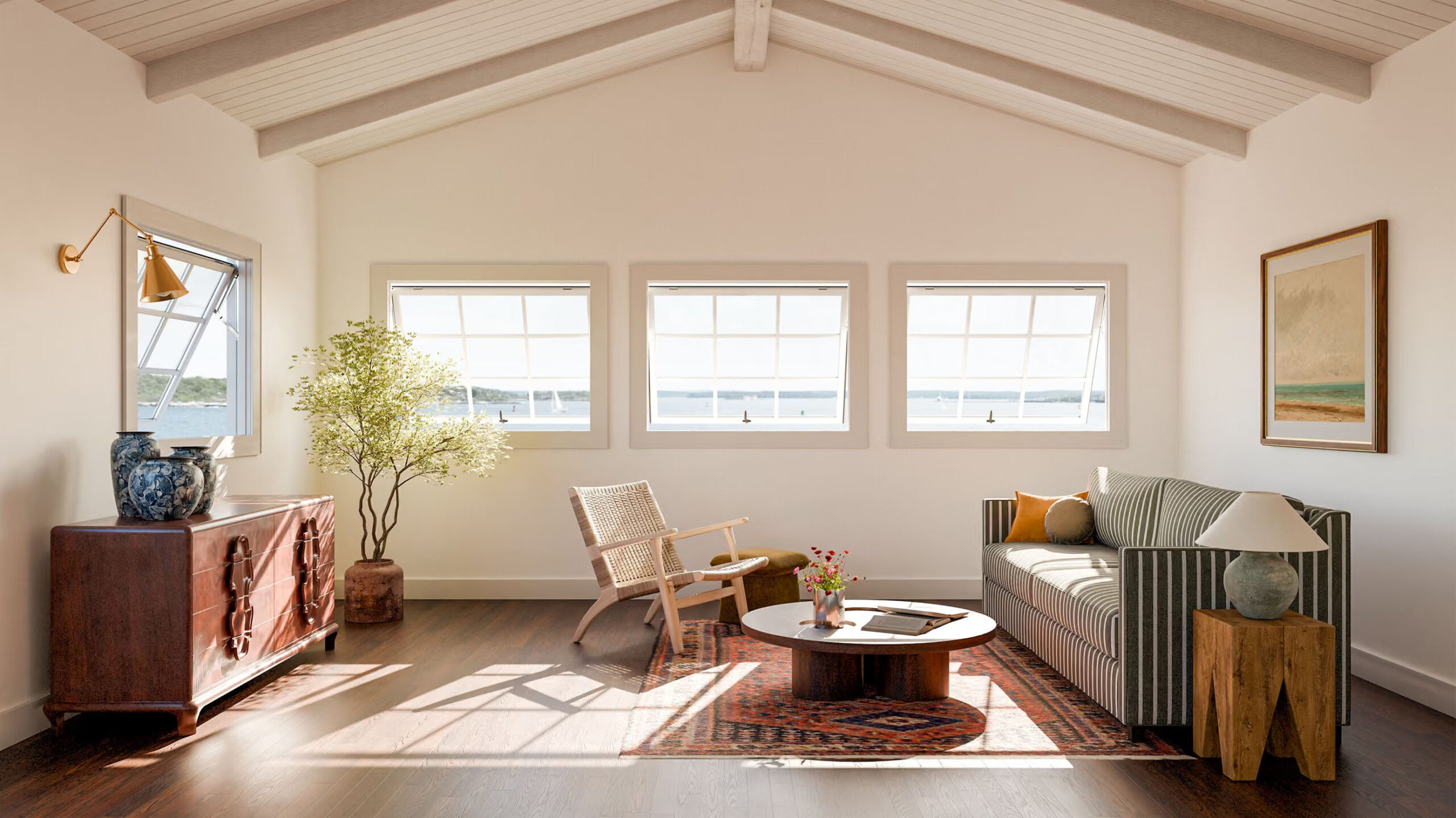
Awning windows are hinged at the top and open outward from the bottom. Their horizontal configuration can make them useful in smaller openings, higher wall locations, and contemporary designs. They can also be combined with larger fixed windows when homeowners want ventilation without sacrificing a substantial area of glass.
Awning windows can work particularly well for:
- Smaller or horizontal openings
- Certain bathroom applications
- Windows positioned higher on a wall
- Combinations with larger fixed windows
Casement vs. Double-Hung vs. Awning: Which Is Best?
There isn’t one window style that’s best for every Portland home—or even every room within the same home.
| Style | How It Opens | Often Considered For |
|---|---|---|
| Casement | Hinged at the side; opens outward | Ventilation, views, clean sightlines |
| Double-Hung | Two vertically arranged operable sashes | Traditional architecture and classic styling |
| Awning | Hinged at the top; opens outward | Smaller openings and window combinations |
In fact, using several window styles within the same house can make sense. A homeowner might choose double hung windows on a traditional front elevation while using casements or awnings elsewhere based on ventilation, views, and room layout.
Choosing Window Styles for Older Portland Homes
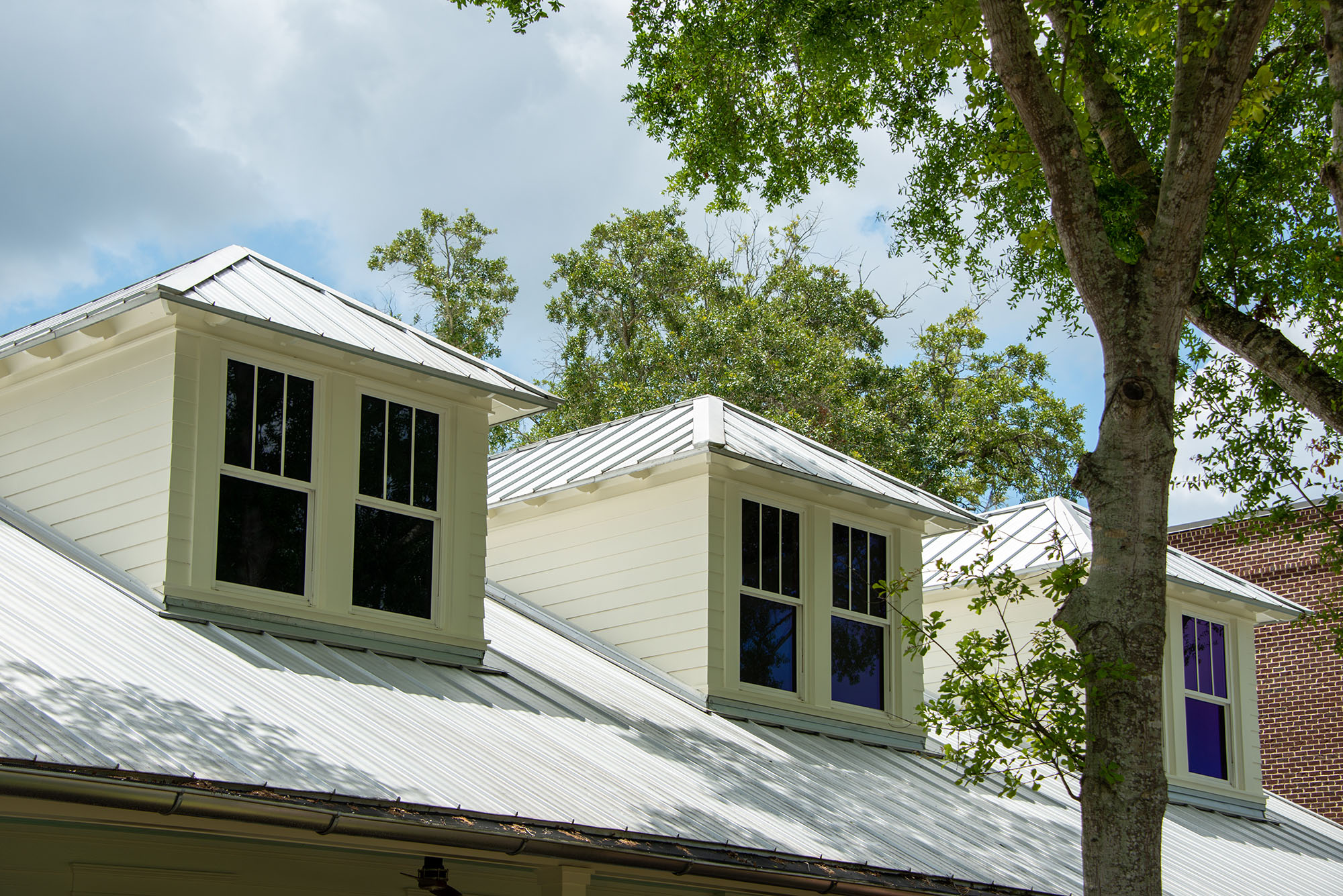
When considering window styles for Portland homes, architecture should be part of the conversation. Replacing windows with a dramatically different style or proportion can change the appearance of an older home.
Pay attention to:
- Original window proportions
- Sightlines
- Grille patterns
- Interior and exterior trim
- How the windows relate to the home’s architectural style
This is one reason replacement window decisions are best made opening by opening rather than assuming the same solution belongs everywhere.
Window Style Is Only Part of the Decision
Homeowners also need to consider window material, product design, glass options, and installation. Marvin is Bridgetown’s flagship window offering and provides options suited to a range of architectural styles and project requirements. Milgard may also be appropriate depending on the home and homeowner’s priorities. The important thing is not to begin with the assumption that one brand, material, or operating style is right for every project.
Finding the Right Windows for Your Portland Home
Casement windows offer generous ventilation and clean views. Double-hung windows provide classic styling that can complement traditional architecture. Awning windows offer flexibility for smaller openings and window combinations. The best choice comes down to your home’s architecture, the location of each window, and how you want the space to function.
At Bridgetown Window & Door, our approach is consultative rather than high-pressure. With more than 40 years of window and door replacement experience in Portland, our product specialists help homeowners understand their options and choose windows that make sense for their homes. Considering replacement windows for your Portland home? Contact Bridgetown Window & Doors to schedule a consultation and explore the styles and products that best fit your project.